
The Thrill of Uncertainty
The psychological allure of casino gambling is deeply rooted in the thrill of uncertainty. This phenomenon, known as risk-taking behavior, compels individuals to engage in activities where the outcome is unpredictable, often leading to an adrenaline rush. The excitement of placing a bet and the potential to win big generates a sense of euphoria, temporarily outweighing the fear of loss. In fact, many participants turn to betting sites to enhance the chances of that emotional high, prompting individuals to return to the casino in search of that elusive high.

Cognitive psychology explains that the brain rewards risk-taking through the release of dopamine, a neurotransmitter associated with pleasure. When gamblers take risks, their brains respond positively, reinforcing the behavior. This cycle can lead to a compulsive desire to gamble, as individuals chase the feelings of excitement and euphoria that accompany each risky decision.
The Role of Cognitive Biases
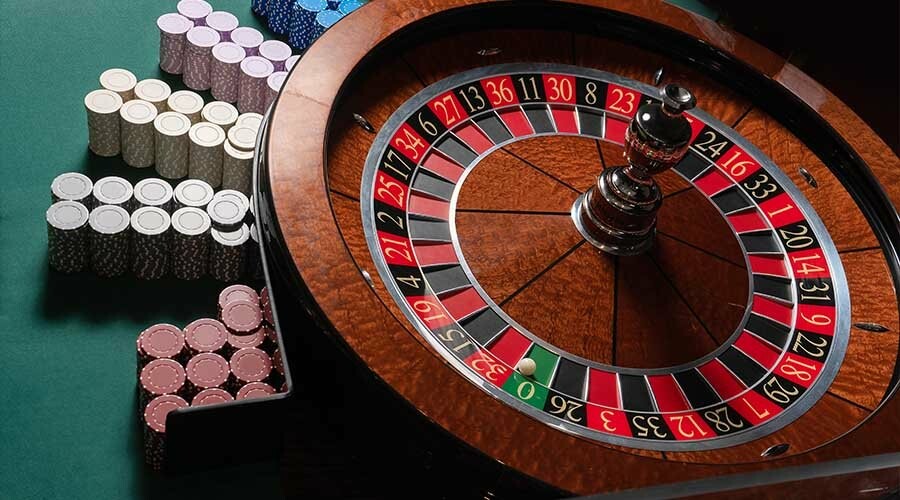
Cognitive biases significantly influence decision-making in the context of gambling. One prevalent bias is the illusion of control, where players believe they can influence the outcome of random events, such as spinning a roulette wheel. This false sense of control often leads to increased risk-taking, as players are convinced that their actions can sway the odds in their favor.
Another bias is the gambler’s fallacy, where individuals believe that past outcomes affect future probabilities. For example, if a player witnesses several losses in a row, they may feel that a win is “due.” Such misconceptions can drive irrational betting behavior, further complicating the psychology behind gambling and reinforcing the cycle of risk-taking.
The Social Aspect of Gambling
Casino gambling is not solely an individual endeavor; it often involves social interactions that enhance the experience. The communal atmosphere of a casino provides a unique social environment where individuals can celebrate wins and share in the collective excitement of risk-taking. This social connectedness can amplify the desire to gamble, as the energy of the crowd can encourage more daring decisions.
Furthermore, the social validation that comes from gambling can be a powerful motivator. Players may engage in risk-taking behavior to impress peers or seek acceptance within a group. This social aspect can lead to a heightened sense of competition, driving individuals to take greater risks in hopes of gaining admiration and affirmation from others.
The Impact of Marketing and Design
Casinos are meticulously designed to entice and engage gamblers through strategic marketing. The layout, lighting, and soundscapes are crafted to create an immersive environment that stimulates the senses. Bright lights and enticing sounds evoke excitement and can trigger impulsive betting behavior, as players feel an urge to participate in the action around them.
Promotional strategies, such as loyalty programs and bonuses, further capitalize on the psychology of gambling. These incentives can trick players into thinking they have a better chance of winning or that they are getting value for their money, making them more likely to take risks. By understanding these marketing tactics, individuals can better navigate the psychological traps set by casinos.
Understanding Gambling Behaviors Through Analysis
To gain insights into the complexities of gambling behavior, various analyses and reports provide valuable information. This platform offers a wealth of resources that examine the intricate layers of political, social, and economic influences on gambling patterns. By accessing accurate data and analysis, users can better comprehend the motives behind why individuals engage in risky behaviors within casinos.
Understanding these dynamics not only empowers individuals to make informed decisions but also sheds light on the broader implications of gambling in society. This research serves as a guide to navigating the often-complicated landscape of casino gambling, highlighting the psychological factors that drive risk-taking and reinforcing the importance of responsible engagement with gambling activities.